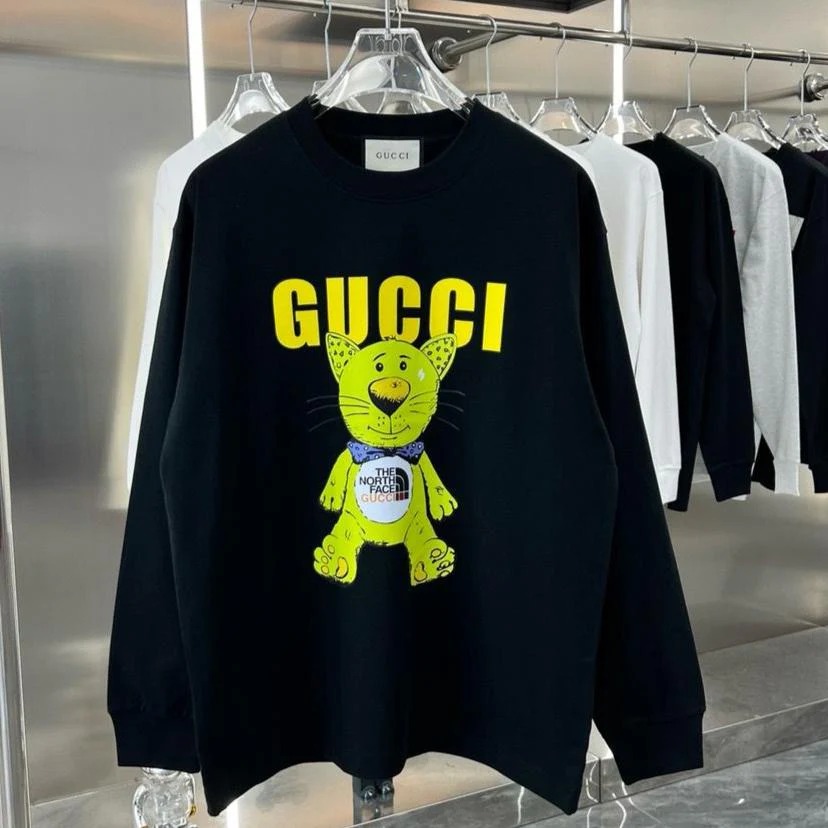
Fashion is an ever-evolving landscape, constantly shifting and adapting to new trends, technologies, and consumer demands. As we look ahead to 2025, the fashion industry is set to experience a revolution. The lines between high-end fashion, luxury clothes, and high fashion clothing will blur, creating a more personalized, sustainable, and technology-driven world of style. But what exactly does this mean for the clothes you wear and how you shop? From the runway to your wardrobe, let’s explore the top fashion trends to expect in 2025.
The Future of High-End Fashion: What’s Next?
The high-end fashion industry has always been at the forefront of innovation. With the rapid advancements in technology, environmental awareness, and the growing demand for inclusivity, designers are pushing the boundaries of what’s possible in fashion. By 2025, the evolution of luxury clothes and high fashion clothing will be influenced by several key trends.
Technology Meets Fashion: The Age of Smart Clothing
By 2025, the integration of technology in high-end fashion will become more prevalent, with clothes not just serving aesthetic and functional purposes but also acting as smart wearables. Think luxury clothes that can monitor your health, regulate body temperature, and even adjust based on external conditions. Smart textiles and sensors embedded in fabric will create a whole new category of high fashion clothing that blends style with technology.
One example of this is the development of wearable tech—from jackets that can charge your phone to shoes that track your steps and measure your performance. These innovations will enhance not only the aesthetic appeal of luxury clothes but also their utility, making them a must-have for consumers who want to stay at the cutting edge of both fashion and function.
Virtual Fashion: The Digital Runway
As digital spaces become an increasingly important part of our daily lives, high-end fashion is beginning to mirror this shift. In 2025, we can expect a massive increase in luxury clothes designed for virtual worlds. From video games to social media, virtual fashion will be a way for individuals to express themselves online in digital spaces.
High fashion clothing will take on new forms in virtual environments, enabling users to experiment with avant-garde designs, from outfits that would be impossible to create in the real world to garments that change in real-time based on interaction. While high-end fashion brands are already releasing digital collections (think Gucci or Balenciaga’s collaborations in the metaverse), 2025 will see virtual wardrobes become an extension of our real-life closets. Consumers will purchase luxury clothes for avatars in virtual worlds, allowing them to experience high fashion clothing without ever having to leave home.
Sustainability: A Core Value in Fashion
As awareness of environmental impact grows, sustainability will become an even more critical consideration in high-end fashion by 2025. Consumers are increasingly looking for products that align with their values—whether it’s ethical sourcing, recyclable materials, or eco-friendly production methods. Luxury clothes will follow suit, as designers work towards creating more sustainable garments without compromising on quality or design.
Expect high fashion clothing to use organic, recycled, and biodegradable materials. Brands that prioritize sustainability will lead the way, reducing the fashion industry’s carbon footprint while offering stylish, eco-conscious garments. The circular economy model, where clothes are designed for reuse and recycling, will also become more widespread in high-end fashion, enabling consumers to buy luxury clothes with the knowledge that they are contributing to a more sustainable future.
From the Runway to Your Wardrobe: How 2025 Will Change Fashion Shopping
The way we shop for clothes is undergoing a transformation, and by 2025, it will be more personalized, digital, and efficient than ever before. Let’s look at how these changes will affect your wardrobe.
AI and Personalization: A Tailored Experience
The role of Artificial Intelligence (AI) in fashion will be critical in 2025. AI-driven algorithms will make it easier for consumers to find luxury clothes and high fashion clothing that perfectly suit their style, body type, and preferences. By analyzing previous purchases, browsing history, and even mood, AI will offer curated fashion recommendations that are uniquely tailored to each individual.
Moreover, high-end fashion brands will be using AI to create custom garments based on consumer specifications. Whether it’s adjusting the color of a dress or choosing the perfect fabric, AI will give customers a chance to design their luxury clothes from scratch. This level of personalization will elevate the shopping experience, making it more intuitive and consumer-centric than ever before.
Virtual Try-Ons and Augmented Reality Shopping
The digital shopping experience will be elevated with virtual try-ons and augmented reality (AR) technology. Imagine being able to try on high fashion clothing without stepping into a store, or having the ability to visualize how luxury clothes would look on your body before making a purchase. In 2025, AR will be a standard feature in both online and in-store shopping experiences.
Using augmented reality through your smartphone or AR glasses, you’ll be able to try on clothes virtually, experiment with different looks, and receive immediate feedback. This technology will help high-end fashion brands reduce the number of returns, as customers will be able to make more informed purchasing decisions. It will also democratize access to luxury clothes, as consumers can “try on” items from the comfort of their homes, without the need to visit expensive showrooms or boutiques.
The Rise of Rental Fashion and Resale Market
As more people embrace sustainable living, the rental fashion industry will continue to thrive in 2025. Instead of purchasing luxury clothes that are worn only once or twice, consumers will opt for renting high fashion clothing for special occasions or even everyday wear. Platforms like Rent the Runway will continue to evolve, offering high-end fashion that can be rented for a fraction of the cost.
The resale market for high-end clothes will also see significant growth. Luxury items, once thought of as exclusive and untouchable, will now be available on platforms that allow consumers to buy, sell, or trade pre-owned luxury clothes. These secondary markets will not only provide more sustainable options for consumers but also increase the accessibility of high fashion clothing, giving more people the opportunity to experience the luxury and craftsmanship of high-end brands.
Inclusivity and Diversity: Fashion for All
As high-end fashion continues to evolve, there will be a stronger emphasis on inclusivity and diversity. Fashion brands will move away from the one-size-fits-all model and embrace a wider range of body types, gender identities, and cultural backgrounds.
Size Inclusivity in Luxury Clothes
The demand for size inclusivity will be a driving force behind fashion’s evolution in 2025. Expect to see luxury clothes brands creating pieces that flatter and fit a wider range of body shapes and sizes. High-end fashion will embrace more inclusive sizing, ensuring that consumers of all sizes feel represented in the world of high fashion clothing.
From tailored suits to elegant dresses, high fashion clothing will increasingly be designed with inclusivity in mind, offering options that are both stylish and accessible for a broader spectrum of individuals. Brands that lead in this space will attract a more diverse and loyal customer base, as inclusivity becomes a key expectation for consumers.
Gender Fluidity in Fashion
Gender-neutral clothing will also continue to rise in prominence by 2025. More and more luxury clothes will be designed with no specific gender in mind, blurring the lines between traditionally “masculine” and “feminine” styles. This movement toward gender fluidity will allow individuals to express themselves authentically without the constraints of traditional gender norms.
In high-end fashion, gender-neutral designs will be celebrated, from unisex tailoring to avant-garde pieces that defy convention. This inclusive approach will help make high fashion clothing more accessible, with designs that cater to a more diverse and varied consumer base.
Conclusion
Fashion in 2025 will be a remarkable blend of tradition, innovation, and responsibility. High-end fashion, luxury clothes, and high fashion clothing will redefine what it means to shop, wear, and experience style. With advances in technology, sustainability, and inclusivity, the future of fashion will be more personalized, eco-conscious, and diverse than ever before.
From smart clothing that enhances performance to virtual fashion that transforms the way we dress, the next decade will see fashion adapt to the changing needs and desires of consumers. Whether it’s through custom AI designs, renting luxury clothes, or wearing digital garments, 2025 will be a time when the runway truly becomes a reflection of the diverse and interconnected world we live in.
FAQs
1. How will technology impact fashion in 2025?
By 2025, technology will play a huge role in fashion, with smart clothing, virtual try-ons, and AI-driven personalized experiences becoming the norm. These innovations will make high-end fashion more functional and accessible.
2. What is the role of sustainability in future fashion?
Sustainability will be central to luxury clothes and high fashion clothing, with brands using eco-friendly materials, ethical production methods, and embracing a circular economy to reduce waste.
3. Will rental fashion continue to grow in 2025?
Yes, rental fashion will be a significant trend in 2025, allowing consumers to rent high fashion clothing for special occasions or daily wear, making luxury clothes more accessible and sustainable.
4. How will the fashion industry become more inclusive in 2025?
The fashion industry will focus on inclusivity by offering high-end fashion for a wider range of body types, sizes, and gender identities, ensuring that everyone can access luxury clothes that reflect their unique style.
5. What can we expect from digital fashion in 2025?
Digital fashion will thrive in 2025, with luxury clothes designed for virtual worlds, allowing consumers to purchase and wear high fashion clothing in digital spaces like the metaverse.

 Manish Varma Code Blog